Nehemiah 2:11-20
11 So I arrived in Jerusalem. Three days later, 12 I slipped out during the night, taking only a few others with me. I had not told anyone about the plans God had put in my heart for Jerusalem. We took no pack animals with us except the donkey I was riding. 13 After dark I went out through the Valley Gate, past the Jackal’s Well,[a] and over to the Dung Gate to inspect the broken walls and burned gates.14 Then I went to the Fountain Gate and to the King’s Pool, but my donkey couldn’t get through the rubble. 15 So, though it was still dark, I went up the Kidron Valleyinstead, inspecting the wall before I turned back and entered again at the Valley Gate. 16 The city officials did not know I had been out there or what I was doing, for I had not yet said anything to anyone about my plans. I had not yet spoken to the Jewish leaders—the priests, the nobles, the officials, or anyone else in the administration. 17 But now I said to them, “You know very well what trouble we are in. Jerusalem lies in ruins, and its gates have been destroyed by fire. Let us rebuild the wall of Jerusalem and end this disgrace!” 18 Then I told them about how the gracious hand of God had been on me, and about my conversation with the king.They replied at once, “Yes, let’s rebuild the wall!” So they began the good work.19 But when Sanballat, Tobiah, and Geshem the Arab heard of our plan, they scoffed contemptuously. “What are you doing? Are you rebelling against the king?” they asked.20 I replied, “The God of heaven will help us succeed. We, his servants, will start rebuilding this wall. But you have no share, legal right, or historic claim in Jerusalem.”
So far in our series “Building in the Battle” we have seen the power of prayer and how prayer needs to be a part of our personal walls. We have also seen that we need to possess the right tools and now as we cover the second half of chapter 2, we will see that not only do we need the right tools, but we also need to pursue the right tasks. Without the right tools we will run into frustration and most likely fail, but even if we have the right tools if we are following the wrong tasks, we will still experience the frustration of failure. The first task Nehemiah tackles is sadly something most of us don’t see and so we don’t value or give much priority to. It’s also something that ironically in our society we have to work really hard at to make happen:
- Rest – Vs 11
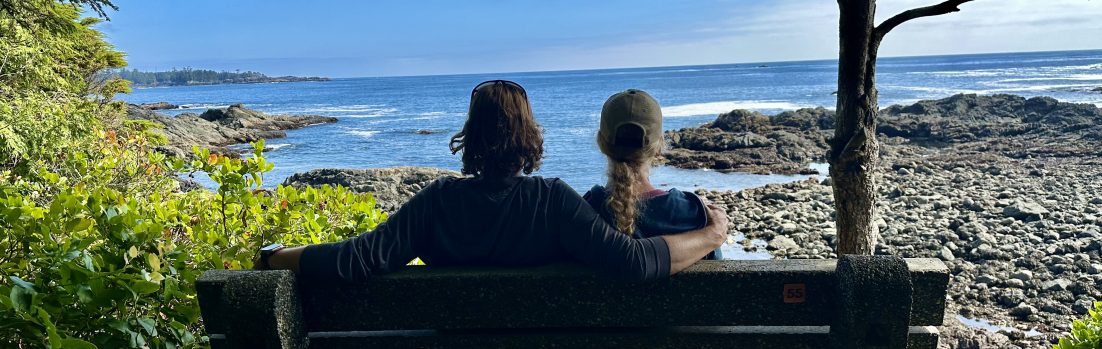
Upon arriving in Jerusalem, the first thing that Nehemiah did was rest so that he could replenished his resources. Nehemiah was humble enough to recognize his humanness, unlike most of us who prideful push past the breaking point. So that instead of being a blessing we end up adding to the burden. It says that that when he arrived in Jerusalem he didn’t rush out and start work on the project but stayed in the city for three days. Now remember when Nehemiah heard about the problem that God’s people faced in Jerusalem, he wasn’t just broken he was burdened for them. So much so that for four months he had fasted and prayed. Then God had miraculously provided permission, protection, and provisions to pursue the project and here he was finally able to build and do something about what burdened his heart and what does he do? Instead of rushing out he rests, why is he waiting, doesn’t he realize that he is wasting time? Because between four months of fasting and prayer, his worry over the response of the king (worry will wear you out) and the difficult journey he had to undertake to get there Nehemiah was exhausted. Let’s talk about what it took to get there, when we compare the place where Nehemiah was in chapter 1, the fortress of Susa and where he was going in chapter 2 Jerusalem, we discover that this was a journey of about 800-900 miles. Most of us miss this small and seemingly insignificant piece of the puzzle, because we don’t pay attention. Just like the dates that we looked at last time that helped us discover that Nehemiah prayed for 4 months, which helped us see that we need to wait on God. Here as we pay attention to the details, we discover a powerful principle: Not only do we need to wait on God, but we need to rest in God. We need to stop skimming over the scriptures and start searching and studying them. When we skim over scripture, we are not just missing the morsels we are miss the message. It’s the difference between snorkeling and scuba diving, snorkeling stays on the surface and because we see everything from a distance, we fail to discover the depth of life in the reef. Because scuba diving goes deeper, we discover the richness of the reef. Why do we choose to snorkel instead of scuba dive, because it’s convenient and it requires less commitment. Many of us are spiritually starving and malnourished, because we are skimming the scriptures instead of studying and saturating ourselves with them. We are famished because we have become fast food followers instead of full and faithful ones. Let me encourage you to stop skimming and start studying. Nehemiah didn’t rush out because he needed to rest, how would you feel after a 900 mile journey, that probably took about 45 to 60 days? He prayed for 4 months and journey for another 1-2 months, how tired do you think he was when he got to Jerusalem? Some of you are worn out today not because you are doing something wrong but because caring comes with a price. Look serving God is hard work, it’s not just the physical toll that makes us tired but the emotional and spiritual. We joke about pastors working one day a week, because most of us only see the front stage, that 1 hour a week and we miss the back stage, the brutal stage. People with cancer weeping with worry. Funerals for parents destroyed over the death of their children, stories of sexual sins against our children. Counseling couples on the brink of divorce. When people ask me how was your week how do you answer that? Sometimes serving God means wading through the sewer, ministry can be a meat grinder where we end up beaten and broken, so what do you do with the burden bring it to Jesus and rest in the Redeemer. Ask anyone today how their week went, and they will probably respond it was busy. So, my question is in the business and the business did you rest? Today we have convinced ourselves that resting is sinful. If we are taking a break and someone calls and asks what are you doing, if we are not busy we are more likely to lie and make up some story about being busy! We would rather lie and be ungodly then risk looking lazy. Nehemiah has a message especially for all of us, self-care isn’t selfish. Admit you are human; you don’t have to feel guilty because resting is actually godly. Ezra also rested for three days when he arrived in Jerusalem many years earlier (Ezra 8:32). And we tend to forget that Jesus also withdrew with his disciples for rest. Nehemiah’s first task was to take a nap. I’m sure the people wanted him to pursue the project, but he wasn’t driven by peer pressure. Like him we also need to replenish our resources on a regular basis because not resting is a recipe for disaster. Nehemiah teaches us a powerful principle: Don’t try to make major decisions when you’re tired. You see the first tool and the first task have a lot in common, waiting and resting. If you struggle with the tool of waiting and the task of resting, I want to encourage you to read a 30-day devotional blog that I wrote a few years ago called Resting and Waiting. So, let me ask you, who are you waiting on and who are you resting in?
 Moments in the life of a Pastor